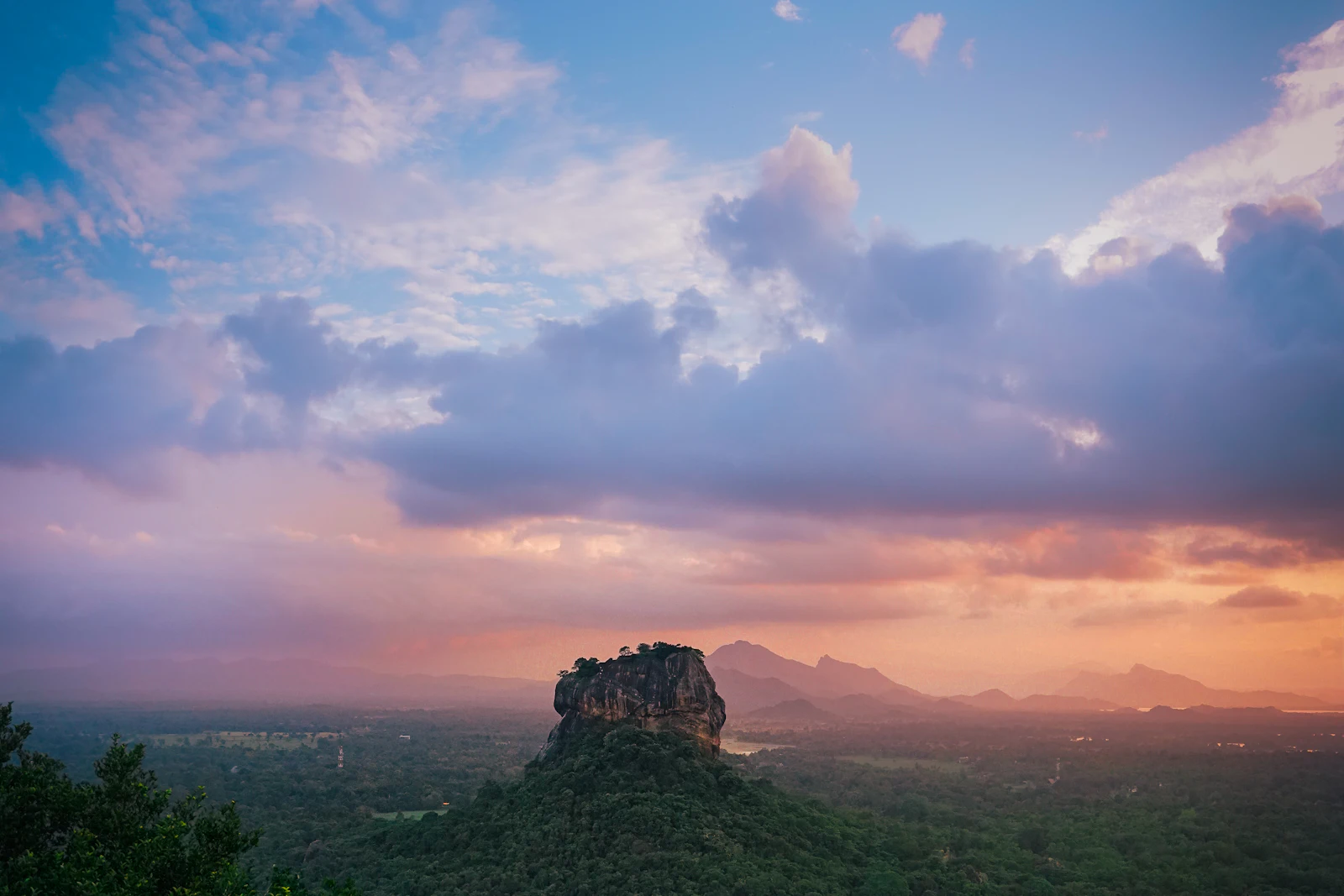
The short answer
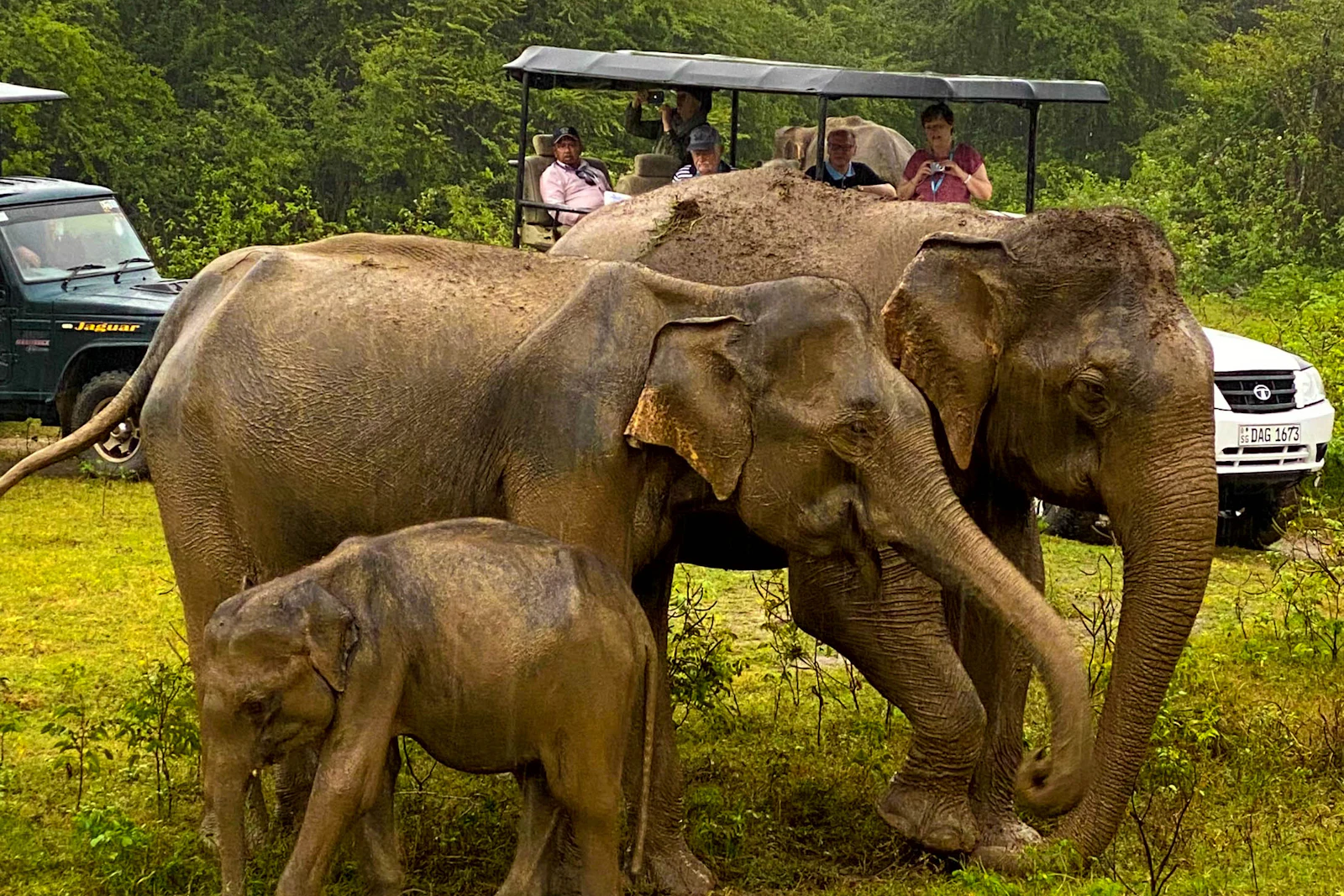
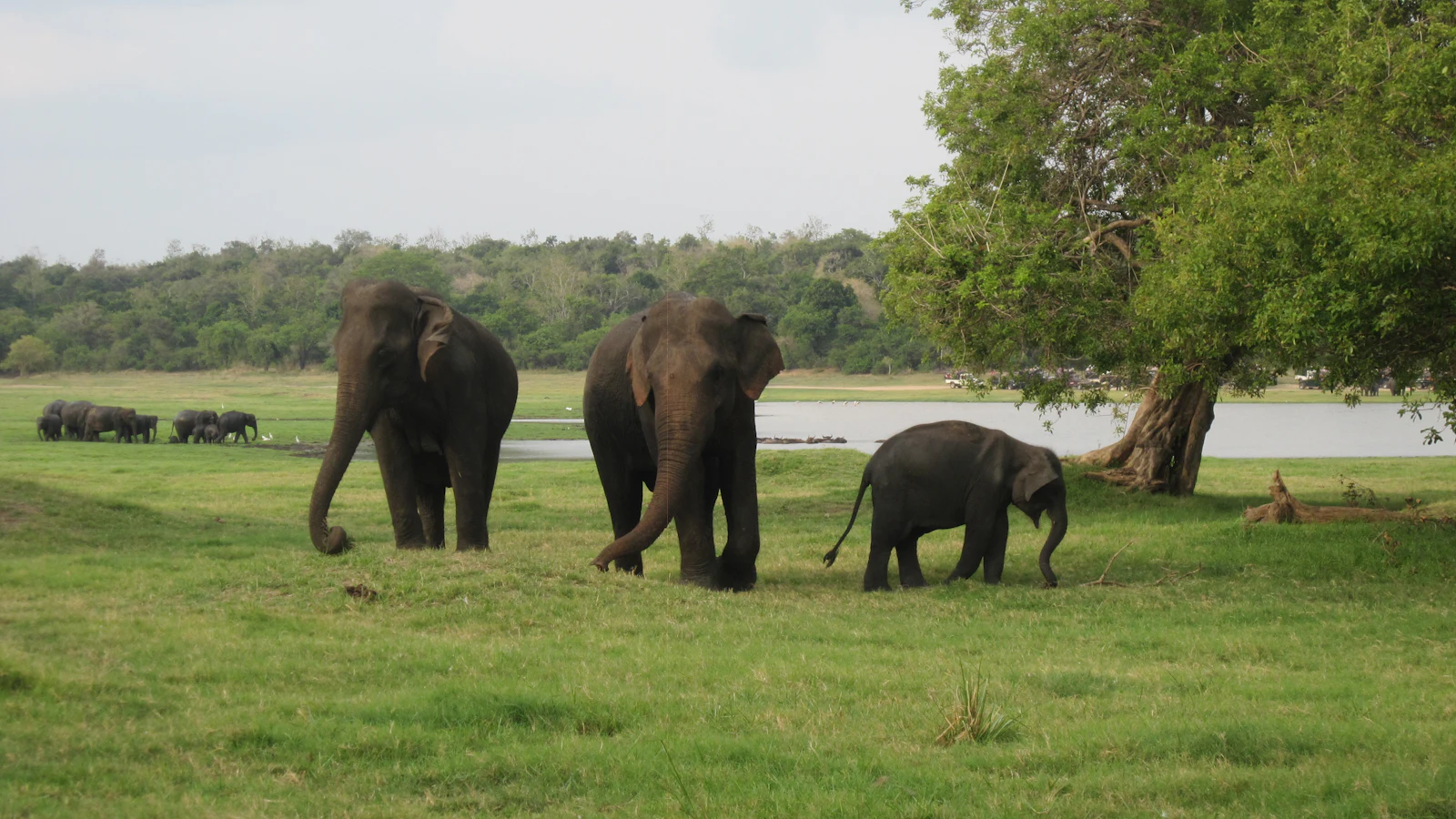
Sigiriya lies in Sri Lanka’s dry zone, so it follows a different pattern from the south-west coast. For dry weather and clear views, the months from roughly January to September are generally best. July to September adds the elephant Gathering at Minneriya. October to early January is the rainiest period, but the rain usually comes in heavy showers rather than all day. The landscape is at its greenest, and there are fewer visitors.
Whatever the season, the best time of day to climb is early morning.
Month by month
| Months | Weather (typical) | Good to know |
|---|---|---|
| January–March | Mostly dry after the monsoon, warm days | Green landscapes; a popular time to visit |
| April | Hot, with some showers | Sinhala and Tamil New Year mid-month |
| May–June | Hot, dry and often windy | Vesak and Poson festivals |
| July–September | Dry and hot | The elephant Gathering at Minneriya |
| October–November | Showers and storms more likely | Quieter sites; herds may move to Kaudulla |
| December | Wet season rains continue | Lush and green; festive holidays are busy |
Visiting in the wetter months
Most of Sigiriya’s rain falls during the north-east monsoon, roughly November to January, and in the inter-monsoon period around October and November. Storms often build in the afternoon, so mornings can still be clear enough to climb. Paths and rock surfaces can be slippery after rain, so take extra care on Pidurangala’s boulders. In return, you get green paddy fields, full reservoirs and quieter sites.
Visiting in the dry season
From around May to September, days are hot and dry, and it can be windy. The reservoirs shrink, which draws elephants to the grassy shores of the national parks. See our guide to Minneriya and Kaudulla. Start early, carry plenty of water and plan a rest in the middle of the day.
Heat and humidity
The dry zone is warm all year. Daytime temperatures commonly reach the low thirties Celsius, and the hours around midday can feel fierce on exposed rock. Nights are milder, and early mornings are the most comfortable time to be out. Drink more water than you think you need, rest through the middle of the day, and choose light, loose clothing that still covers your shoulders and knees for temples.
Avoiding the crowds
The busiest periods for international visitors are usually December to March and July to August, when European school holidays fall. Sri Lankan visitors fill the sites on weekends, public holidays and during the April New Year. Whatever the month, the quietest times at Sigiriya are just after opening and late in the afternoon, when tour groups have moved on. Weekdays are calmer than weekends at the major sites.
The best time of day
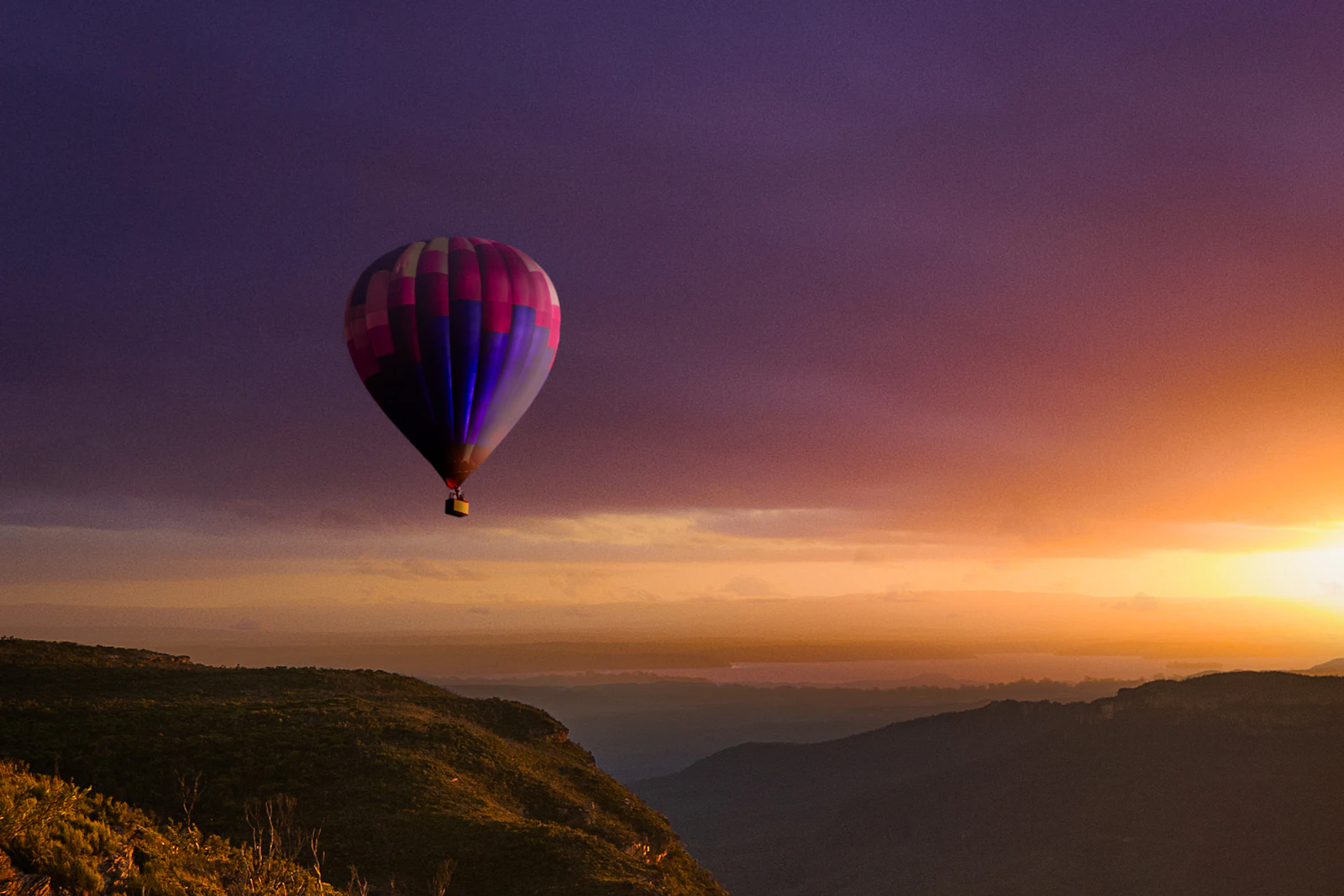
Climb Sigiriya as soon as it opens, before the heat and the tour groups build. Pidurangala is at its best at sunrise and in the late afternoon. Safaris usually run in the afternoon, when elephants come out to graze. In season, balloon flights launch at dawn, when the air is calmest.
Festivals and public holidays
- Poya days. Every full moon is a public holiday. Temples fill with worshippers dressed in white, and alcohol isn’t sold. Sites can be busier with local visitors.
- Sinhala and Tamil New Year falls in mid-April. Many Sri Lankans travel and some businesses close for a few days.
- Vesak (usually May) and Poson (usually June) are major Buddhist festivals, with lanterns, decorations and free food stalls.
- Esala Perahera in Kandy, usually July or August, is one of Asia’s great processions and is within reach of Sigiriya.
Festival dates follow the lunar calendar and change every year. Check the current year’s dates before you plan around them.
What to pack
- Light, breathable clothes, plus something that covers your shoulders and knees for temples. A sarong is ideal.
- A hat, sunglasses, high-factor sunscreen and a refillable water bottle
- Comfortable shoes with good grip for the climbs, and sandals that slip off easily at temples
- Socks, if you’d like them for hot stone floors at temples
- Insect repellent, especially for evenings and night walks
- A light rain jacket or umbrella from October to January
- A torch or headlamp for sunrise hikes and the loris night walk
- Binoculars, if you’re planning a safari or bird watching
Last checked: October 2026. Seasons, prices and timetables change, so check the details before you travel. Staying with us? Our front desk is always happy to help you plan.